

Benefits of Daily Cold Plunge: 2026 Recovery Guide
Table of Contents
- What Happens When You Cold Plunge Every Day
- Muscle Recovery, Inflammation, and the Nervous System
- Cold Plunge Duration for Beginners: How Long Is Enough
- Cold Water Immersion Safety Tips Before You Start
- Contrast Therapy Benefits: Pairing Cold With Heat
- Short-Term vs. Long-Term Adaptation to Cold Exposure
- Setting Up a Daily Cold Plunge Routine at Home
- Frequently Asked Questions
Last Updated: September 13, 2026
What Happens When You Cold Plunge Every Day
The benefits of daily cold plunge start with a controlled stress response. When your body hits cold water, blood vessels near the skin tighten through vasoconstriction, blood flow redirects toward your core to protect core body temperature, and the nervous system floods with alertness chemicals. Done consistently, that stress becomes a training stimulus rather than a shock.
This guide from Heaven 417 covers what actually changes in your body, how long beginners should stay in, and how to build a routine you will keep. The throughline here is simple: the benefits of a daily cold plunge come from repetition and safe dosing, not from one heroic ice bath.
Cold water immersion is the practice of submerging your body in water cold enough to trigger a measurable physiological response. The Mayo Clinic overview of cold water immersion risks notes that cold water triggers rapid breathing, a spike in heart rate, and a rush of stress hormones within seconds of entry.
That initial gasp-and-race response, often called thermal shock, is why duration matters more than intensity for beginners.
Muscle Recovery, Inflammation, and the Nervous System
Cold exposure after training is popular for one main reason: it changes how sore you feel. Many athletes report less muscle soreness and reduced delayed onset muscle soreness after cold water immersion, though researchers still debate how much of that is swelling reduction versus pain perception.
Two systems are at work:
- Circulatory: vasoconstriction pushes fluid out of taxed tissue, which many people find eases post-workout recovery.
- Neurological: cold triggers norepinephrine release and engages the parasympathetic nervous system once you exit, which is why a plunge often feels calming after the shock passes.
A common mistake is treating the plunge as a substitute for sleep, protein, and hydration. It is a recovery protocol, not a recovery plan.
Cold Plunge Duration for Beginners: How Long Is Enough
Cold plunge duration for beginners should start at 30 to 60 seconds in water around 50 to 55 degrees Fahrenheit, then extend toward 2 to 3 minutes as cold tolerance improves (the CDC). Longer is not better; consistency is. The reason is physiological: the cold shock response, gasping, hyperventilation, and a spike in heart rate and blood pressure, peaks in the first 30 seconds and is the riskiest part of any plunge. Once you control your breathing through that window, the marginal benefit of extra minutes drops sharply while the hypothermia risk climbs.
A practical progression looks like this:
- Week 1-2: 30-45 seconds, 3-4 times per week, water at 55-60°F
- Week 3-4: 60-90 seconds, most days, water at 50-55°F
- Week 5-8: 2-3 minutes, daily if recovery allows, water at 45-50°F
- Cap sessions at roughly 10 minutes total, even for experienced users
Stop when your skin goes numb or you start shivering hard. That is your body asking for the exit, not a challenge to push through.
The Afterdrop Window: What Happens After You Get Out
Most guides end the clock when you step out of the tub. That is a mistake. Afterdrop is the continued fall in core body temperature that happens in the minutes after you exit, as cold blood from your limbs returns to your core. It is the reason some people feel fine in the water and then start shivering violently on the towel.
A safe post-plunge protocol:
- Get dry and dressed immediately. Wet skin keeps pulling heat from your body. Towel off, then layer up, including a hat, since a large share of heat loss happens through the head and neck.
- Move, don't sit. Light walking or bodyweight movement generates heat from the inside. Sitting still in a cold room during afterdrop is the fastest way to feel worse.
- Skip the hot shower at first. A sudden hot shower after a cold plunge can cause a rapid blood pressure swing and, for some people, dizziness. Warm up gradually with dry layers and movement, then shower once you have stopped shivering.
- Warm from the core out. A warm drink, a blanket around the torso, and warm socks beat standing under hot water for managing afterdrop safely.
- Watch the clock. If shivering continues past 15-20 minutes or you feel confused or drowsy, treat it as a hypothermia warning sign and seek help.
Short-Term Shock vs. Long-Term Adaptation
A daily cold plunge produces two very different physiological responses depending on how long you have been at it. In the first weeks, the acute cold shock response is large: a big norepinephrine release, a strong gasp reflex, and a noticeable mood and alertness lift that fades within a few hours. After several weeks of consistent practice, the same water temperature triggers a smaller stress response, your breathing stays steadier, your heart rate climbs less, and the hormonal spike shrinks. That is acclimatization, and it is normal.
The practical takeaway: do not chase the shock. If you keep lowering the temperature to recreate the week-one jolt, you raise your risk without adding much benefit. The long-term wins, steadier mood, better cold tolerance, and possible shifts in brown adipose tissue activity, come from showing up daily at a dose your body can recover from, not from escalating intensity.
Cold Water Immersion Safety Tips Before You Start
Cold water immersion safety tips matter more than any benefit, because the risks are real. Hypothermia risk rises with cold water, long duration, and low body fat, and cardiovascular strain can be significant for people with existing heart conditions. The cold shock response can spike heart rate and blood pressure within seconds, which is why the first 30 seconds in the water are the most dangerous part of any plunge.
Who Should Not Cold Plunge Without Medical Clearance
Most articles wave at "check with your doctor" and move on. That is not useful. Here are the specific conditions where cold water immersion carries elevated risk and requires a physician's sign-off first:
- Cardiovascular conditions. Uncontrolled high blood pressure, coronary artery disease, prior heart attack, arrhythmias such as atrial fibrillation, and a history of stroke all raise the risk of a cardiac event during the cold shock response. The sudden vasoconstriction and blood pressure spike are the concern.
- Raynaud's phenomenon. In people with Raynaud's, cold triggers an exaggerated narrowing of blood vessels in the fingers and toes, causing them to turn white, then blue, then red and painful. A plunge can provoke a severe episode.
- Cold urticaria. A rare but serious allergy to cold that can cause hives and, in severe cases, anaphylaxis. Anyone who has reacted to cold water or cold air with hives should not plunge without an allergist's guidance.
- Pregnancy. Cold water immersion during pregnancy is generally discouraged without medical clearance because of the cardiovascular and core-temperature stress involved.
- Seizure disorders. A seizure in cold water is life-threatening. Anyone with a seizure history should get clearance and never plunge alone.
- Open wounds, recent surgery, or active infection. Cold water and shared tubs raise infection risk, and cold can slow healing.
If you take blood pressure medication, beta blockers, or other heart medications, tell your physician before starting, some of these drugs change how your body responds to cold.
Before Your First Plunge
- Get clearance from a physician if you have any condition listed above
- Never plunge alone, especially in open water
- Enter slowly, keep your head above water, and control your breathing
- Skip alcohol beforehand and avoid plunging when exhausted
- Know the signs of hypothermia: confusion, slurred speech, uncontrolled shivering
The CDC guidance on cold water safety and hypothermia recommends exiting immediately at the first sign of numbness or disorientation.
When to Stop Immediately
Exit the water right away if you experience any of the following:
- Uncontrollable shivering or shivering that starts in the water
- Numbness in your hands, feet, or face
- Dizziness, confusion, or slurred speech
- Chest pain, a racing or irregular heartbeat, or shortness of breath that does not settle
- A feeling of weakness or the urge to lie down
Contrast Therapy Benefits: Pairing Cold With Heat
Contrast therapy benefits come from alternating heat and cold, which drives blood flow in a cycle that neither therapy produces alone. Heat opens blood vessels; cold closes them. Cycling between the two creates a pumping effect that many people find improves circulation and speeds how recovered they feel.
A standard contrast protocol:
| Phase | Temperature | Duration | Purpose |
|---|---|---|---|
| Heat | Sauna, 160-190°F | 10-15 min | Vasodilation, relaxation |
| Cold | Plunge, 45-55°F | 1-3 min | Vasoconstriction, alertness |
| Repeat | 2-3 cycles | End on cold | Circulatory flush |
Ending on cold is the common recommendation for recovery; ending on heat suits people who want to wind down before sleep. This is the setup Heaven 417 builds around: a cedar sauna and a cold plunge placed close together so the transition takes seconds, not minutes.
Short-Term vs. Long-Term Adaptation to Cold Exposure
Short-term, a daily cold plunge produces an immediate dopamine release and a jolt of mental resilience that fades within hours. Long-term adaptation is different: your body learns to mount a smaller stress response to the same cold, which is why acclimatization makes the water feel less brutal over months.
What changes with time:
- Shorter term: improved mood, alertness, and a sense of accomplishment
- Weeks in: better cold tolerance and steadier breathing on entry
- Months in: possible shifts in brown adipose tissue activity and metabolic rate, though the research is still developing
What most guides miss is that adaptation cuts both ways. The same cold that once shocked your system becomes routine, so the acute hormonal spike shrinks. That is normal, and it is why consistency beats intensity for long-term physiological adaptation.
Setting Up a Daily Cold Plunge Routine at Home
A daily cold plunge routine at home works when the setup removes friction. The people who stick with it are the ones who can walk outside, plunge, and get back to their day without a 20-minute production.
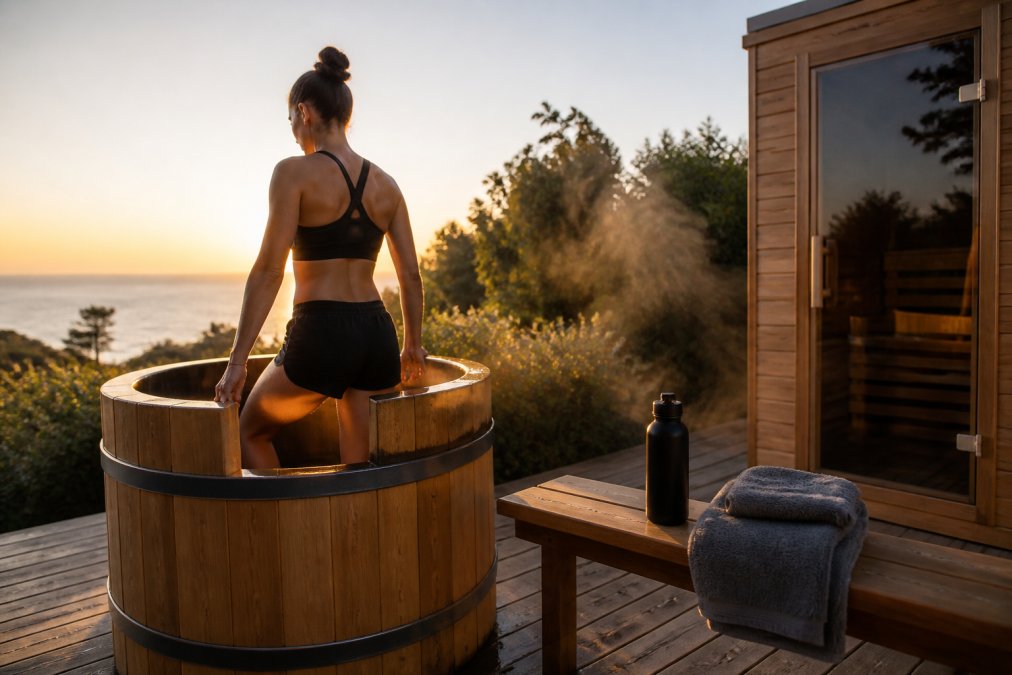
Budget-friendly DIY setups can start with a stock tank and bags of ice, but temperature control is the hard part. Keeping water in the 45 to 55 degree range without constant ice runs is the reason many people eventually move to a dedicated chiller and tub.
Heaven 417 handles this side of the build. As an authorized dealer of cedar saunas and contrast therapy systems, we guide you from selection through installation, so the 240V hookup and temperature control are handled by people who do it regularly. Easy monthly payments are available at checkout if you would rather spread the cost.
A simple weekly rhythm that works:
- Morning plunge, 2-3 minutes, most days
- Sauna 2-3 times per week, before or after the plunge
- One full rest day with no cold exposure
- Check water temperature weekly and adjust the chiller
- Log how you feel for 30 days to see real patterns
Frequently Asked Questions
What happens if you do a cold plunge every day?
Daily cold water immersion builds cold tolerance and supports a calmer stress response over time. Research on cold exposure shows repeated sessions can raise norepinephrine and dopamine release, which supports mood and mental resilience. Most people also report less muscle soreness and better sleep quality after a few weeks of consistent practice. The key is keeping sessions short, usually 2 to 5 minutes, and pairing them with proper warming afterward so your core body temperature returns to normal.
How long should you stay in a cold plunge for maximum benefits?
For beginners, 1 to 3 minutes at 45 to 55 degrees Fahrenheit is enough to trigger the physiological response without pushing into hypothermia risk. As cold tolerance improves, you can extend toward 5 to 10 minutes. Longer is not automatically better. The benefits of daily cold plunge come from consistency, not duration. Stop if you start shivering uncontrollably, feel numb in your fingers or toes, or notice your breathing becoming shallow.
Are there any risks to daily cold water immersion?
Yes. Cold water immersion safety tips matter most for people with heart conditions, high blood pressure, or circulation problems, since cold exposure causes vasoconstriction and cardiovascular strain. The thermal shock of entering cold water can spike heart rate and blood pressure quickly. Anyone with a diagnosed cardiovascular condition should check with a physician first. Never plunge alone, avoid alcohol beforehand, and skip sessions when you are sick or exhausted.
Can cold plunge lower cortisol?
Cold water immersion triggers an initial rise in cortisol as part of the stress response, but regular practice may improve how your body regulates that response over time. Some studies suggest acclimatization supports better cortisol levels and parasympathetic nervous system activity between sessions. The effect depends on duration, temperature, and how consistently you practice. A daily cold plunge routine of a few minutes, paired with proper recovery, tends to support hormonal balance better than occasional long sessions.
Building a daily cold plunge habit asks for more than willpower; it asks for a setup that makes the habit easy to keep. Heaven 417 offers cedar saunas and contrast therapy systems built for daily use, with expert guidance from selection through installation and easy monthly payments at checkout. Get started with Heaven 417 and turn your backyard into a recovery sanctuary you will actually use.