

How to Ensure Daily Sauna Usage: A Practical Guide
Table of Contents
- Start With a Daily Sauna Routine You Can Actually Keep
- Is Using a Sauna Daily Safe for Most Adults?
- How Long to Stay in a Sauna (and How Hot)
- Sauna Hydration Tips Before, During, and After
- Build a Progression Plan With Rest Days
- Warning Signs to Stop and What to Do Next
- Match Your Routine to Your Sauna Type
- Frequently Asked Questions
Last Updated: October 20, 2026
Start With a Daily Sauna Routine You Can Actually Keep
Most home saunas fail for a boring reason: the habit never forms. The equipment works fine. The owner just stops showing up.
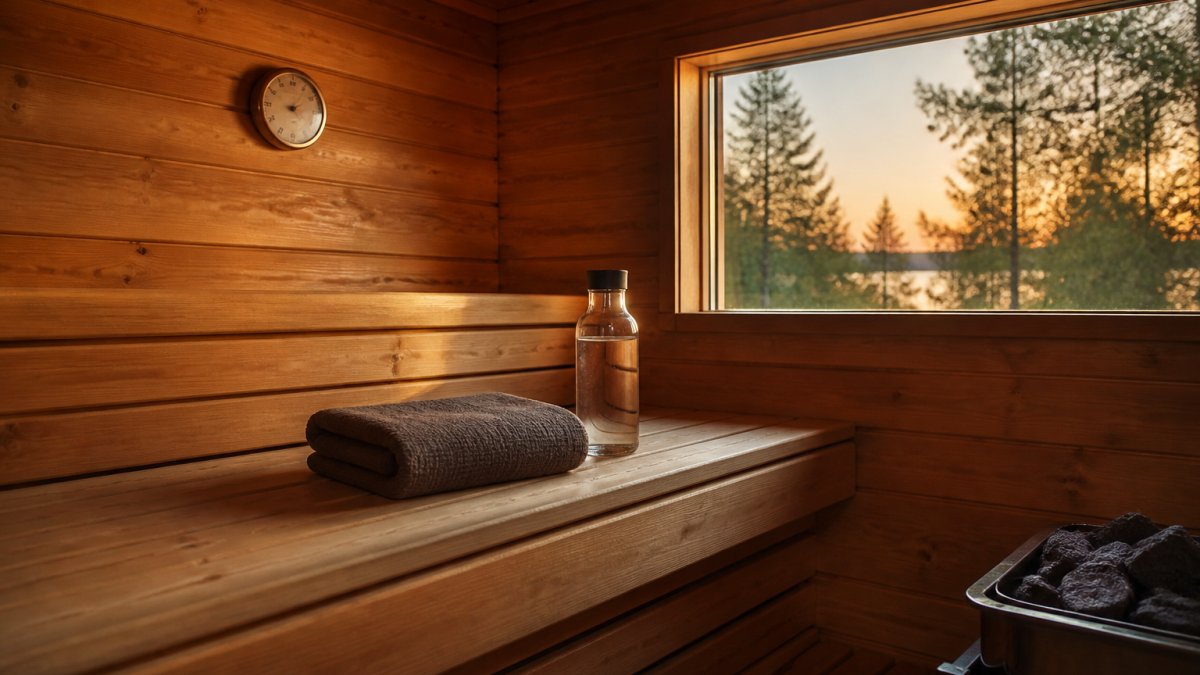
This guide from Heaven 417 covers how to ensure daily sauna usage sticks, from picking a time slot to reading warning signs.
Here is the core idea: design the routine around your life, not the other way around.
Pick a Time Slot and Defend It
Choose one time of day and treat it like a meeting. Morning sessions suit people who want alertness before work. Evening sessions suit people winding down. The CDC's guidance on physical activity routines makes the same point about exercise: consistency beats intensity.
Write the slot into your calendar for the first two weeks. After that, it becomes automatic.
Set Up the Space So Nothing Gets in the Way
Friction kills habits faster than motivation builds them. Remove every small barrier before day one:
- Keep a towel, water bottle, and clock inside the sauna area
- Set the thermostat the night before if your unit allows it
- Put a level floor mat at the entry so you never slip
A common mistake is buying a beautiful sauna and then storing boxes in it. Clear the space and keep it clear.
Is Using a Sauna Daily Safe for Most Adults?
For most healthy adults, daily sauna use is safe when sessions stay short and hydration stays high. The American Heart Association's overview of heat and cardiovascular response notes that heat stress affects heart rate and blood pressure, which is why duration and hydration matter.
That said, "most adults" is doing real work in that sentence. Daily use is not a universal green light, and the difference between a safe routine and a risky one usually comes down to your health status, your medications, and how your body has handled heat in the past.
Who Should Get a Doctor's Sign-Off First
Talk to a physician before starting a daily sauna routine if you:
- Take blood pressure or heart medication
- Are pregnant
- Have heart disease or a history of stroke
Those bullets are not arbitrary. Each one points to a specific mechanism that heat stress can aggravate:
- Blood pressure and heart medications. Diuretics, beta blockers, and some blood pressure drugs change how your body regulates fluid and heart rate. Heat already lowers blood pressure through vasodilation, so the combination can cause sudden dizziness or fainting. A doctor can tell you whether to shorten sessions, lower the temperature, or skip daily use entirely.
- Pregnancy. Core body temperature rises during sauna use, and sustained elevation is a known concern in pregnancy. Most obstetric guidance errs on the side of caution, so get clearance rather than guessing.
- Heart disease and stroke history. Heat increases cardiac workload. For someone with a compromised cardiovascular system, that extra demand needs a physician's assessment, not a blog post.
Age, Medications, and Heat Tolerance: A Practical Framework
Rather than memorizing a list, use three questions to sort yourself:
- Does anything I take change my fluid balance or heart rate? Diuretics, some antidepressants, antihistamines, and blood pressure medications can all affect sweating or blood pressure response. If the answer is yes, ask your pharmacist or physician before daily use.
- Have I had a bad reaction to heat before? A history of heat exhaustion, fainting in hot weather, or nausea in saunas is a reason to start with shorter, cooler sessions and a companion nearby, not to push through.
- How old am I and how new is this habit? Younger, acclimated users can usually build to daily sessions faster. Older adults and first-timers should extend the ramp-up period and keep sessions shorter until they know how their body responds.
Your heat tolerance is personal. Build gradual acclimation rather than copying someone else's schedule. If you are unsure where you fall, the safest default is to start with three sessions per week at 10 minutes and add frequency only after two weeks of feeling normal afterward.
How Long to Stay in a Sauna (and How Hot)
The sweet spot for most people is 15 to 20 minutes per session at 160 to 175 degrees Fahrenheit in a traditional sauna, or 120 to 140 degrees Fahrenheit in an infrared sauna. Infrared saunas heat the body directly at lower air temperatures, so the numbers are not interchangeable.

Start shorter than you think you need:
- Week 1: 10 minutes per session
- Week 2: 12 to 15 minutes
- Week 3 onward: 15 to 20 minutes, adjusted to how you feel
Session duration matters more than session frequency for safety. A 30-minute session is not "better" than two 15-minute ones.
Sauna Hydration Tips Before, During, and After
Drink water before you enter, sip during the session, and rehydrate afterward. Heat exposure pulls water from your body through sweat, and dehydration sneaks up quietly.
A practical pattern:
- Before: one glass of water 30 minutes ahead
- During: small sips, especially between rounds
- After: water plus electrolytes if you sweated heavily
The Cleveland Clinic's guidance on hydration and electrolytes explains that sodium and potassium loss matters during heavy sweating.
Skip alcohol before a session. It widens blood vessels and raises dehydration risk at the worst moment.
Fjordheim Solo Infrared Sauna →
Build a Progression Plan With Rest Days
Daily does not mean every single day forever, and it does not mean the same session every time. A progression plan gives you a ramp, a steady state, and a set of rules for adjusting when your body tells you something is off.
A Sample Four-Week Ramp
| Week | Sessions | Duration | Structure | Focus |
|---|---|---|---|---|
| 1 | 3-4 | 10 min | One round | Learn the heat and your response |
| 2 | 5 | 12-15 min | One round | Build tolerance and hydration habit |
| 3 | 6 | 15 min | One or two rounds with a 5-min cool break | Add a second round if you feel steady |
| 4+ | 6-7 | 15-20 min | One to three rounds, 5-10 min breaks | Hold steady, rest 1 day |
Take at least one rest day weekly. Rest days let your body rebalance fluids and give your skin a break. If you feel drained, add a second rest day without guilt.
How to Structure Rounds and Breaks
A "round" is one continuous sit in the heat. Between rounds, step out, sit in a cooler room, and let your heart rate settle before going back in. A common pattern for daily users is:
- Round 1: 10-12 minutes, then a 5-10 minute cool-down outside the sauna
- Round 2: 8-10 minutes, then another 5-10 minute break
- Round 3 (optional): 5-8 minutes, then a longer rest
Total time in heat should stay within the session length for your week. The breaks are not wasted time, they are what make a longer session tolerable and safer. Cooling breaks between rounds lower heat stress substantially and let you get more total benefit without pushing duration.
Rules for Adjusting Day to Day
A plan is only useful if it tells you what to do when a session feels different than expected. Use these rules:
- If you feel lightheaded, nauseated, or unusually drained during a session, exit immediately and end the session. Do not add a round to "make up" for it.
- If you wake up dehydrated or had alcohol the night before, skip the sauna or shorten the session to one short round. Alcohol and dehydration both raise heat stress.
- If two consecutive sessions feel harder than the week before, drop back one week in the progression table and hold there until sessions feel normal again.
When to Hold Steady vs. When to Push
The goal of week four and beyond is not to keep escalating. It is to find the session length and frequency you can repeat indefinitely without dreading it. Most daily users settle into a steady state, often 15-20 minutes total in heat, five to seven days a week, with one rest day, and stay there for months. Push the duration up only when a session ends and you feel like you could have done a little more, not when you feel like you barely made it.
Warning Signs to Stop and What to Do Next
Leave the sauna immediately if you notice dizziness, nausea, a pounding headache, confusion, or a racing heart that will not settle. These signal heat stress, not progress.
What to do next:
- Move to a cool, shaded spot and sit down
- Drink water slowly, not in gulps
- Apply a cool cloth to your neck and wrists
- Rest for at least 30 minutes before driving or showering cold
If symptoms do not ease within 15 minutes, or if you feel faint, seek medical help. Heat exhaustion can escalate. Cooling breaks between rounds lower this risk substantially.
Match Your Routine to Your Sauna Type
Your sauna type changes the session length, the temperature setting, and even how you feel afterward. Build the routine around the equipment you own.
Traditional vs. Infrared: What Changes Day to Day
A traditional Finnish sauna heats the air to high temperatures and relies on humidity from water on hot stones.
An infrared sauna warms the body directly with radiant panels at lower air temperatures.

For daily use, infrared units tend to be easier on beginners because the air stays cooler.
At Heaven 417, we carry cedar and hemlock infrared models built for exactly this kind of everyday use, including the Fjordheim Solo Infrared Sauna for solo sessions and the two-person Eldvik Outdoor Infrared Sauna for couples.
Whichever type you choose, check the thermostat, the level floor, and the electrical setup before your first session.
Frequently Asked Questions
Is it safe to use a sauna every day?
For most healthy adults, daily sauna usage is safe when sessions stay within sensible limits: roughly 15 to 20 minutes at a time, temperatures around 150 to 175 degrees Fahrenheit for traditional saunas or 120 to 140 degrees Fahrenheit for infrared, and plenty of water before and after. People with heart conditions, low or unstable blood pressure, pregnancy, or those taking medications that affect sweating or blood pressure should check with a doctor first. Stop immediately if you feel dizzy, nauseated, or lightheaded.
How long should you stay in a sauna each day?
Start with 10 to 15 minutes per session and build toward 15 to 20 minutes as your heat tolerance improves. Traditional Finnish saunas typically run hotter, so shorter sessions are common; infrared saunas feel less intense at the same clock time but still raise core temperature. If you prefer multiple rounds, keep each round to 10 to 15 minutes with a 5 to 10 minute cooling break in between, and cap total heat exposure at roughly 30 to 40 minutes for the day.
What should you drink before and after a sauna?
Drink 8 to 16 ounces of water in the hour before your session, sip another 8 ounces during cooling breaks if you are doing multiple rounds, and rehydrate with 16 to 24 ounces afterward. For sessions longer than 30 minutes total or in hot weather, add an electrolyte drink to replace sodium and potassium lost through sweat. Avoid alcohol before or during sauna use, since it increases dehydration and strains the cardiovascular system.
How do you stay consistent with a daily sauna routine?
Anchor the sauna to an existing habit, such as right after a workout or before your evening shower, and keep the space stocked with a towel, water bottle, and clean bench cover so setup takes under a minute. Track sessions on a simple calendar for the first month, plan one lighter day per week, and treat the sauna as a scheduled appointment rather than an optional extra. Consistency comes from removing friction, not from willpower.
Building a daily sauna habit takes planning, not willpower. The people who stick with it pick one time slot, prep the space, hydrate properly, and respect the warning signs. Heaven 417 helps homeowners get there with hand-selected cedar saunas, guidance from selection through installation, and easy monthly payments at checkout. Shop saunas at Heaven 417 and turn one corner of your home into a recovery routine you keep for years.