

Best Contrast Therapy Systems 2026
Table of Contents
- What Is Contrast Therapy and Why It Matters for Home Recovery
- Quick Comparison Table: Top Contrast Therapy Systems
- How We Evaluated These Systems
- Premium Cold Plunge Systems for Deep Immersion
- Traditional and Infrared Sauna Options
- Sauna and Cold Plunge Combo Benefits for Recovery
- Contrast Therapy Protocol for Recovery: Timing and Temperature
- How Long to Stay in Sauna vs Cold Plunge for Optimal Results
- Frequently Asked Questions
Last Updated: September 21, 2026
What Is Contrast Therapy and Why It Matters for Home Recovery
Contrast therapy systems combine heat and cold exposure in deliberate cycles to accelerate recovery, reduce inflammation, and enhance circulation. The practice alternates between sauna sessions and cold plunge immersion, triggering vasodilation (blood vessel expansion) followed by vasoconstriction (vessel tightening). This thermal cycling stimulates blood flow, potentially accelerates muscle repair, and supports the body's natural stress-adaptation response.
The appeal is straightforward: athletes and wellness enthusiasts have used contrast therapy for decades. What's changed is accessibility. Premium contrast therapy systems are now available for residential installation, transforming backyards into recovery sanctuaries that rival commercial spas. The investment is significant, but for serious athletes, busy executives managing chronic tension, and anyone prioritizing longevity, the daily convenience justifies the cost.
Quick Comparison Table: Top Contrast Therapy Systems
| System | Type | Price Range | Best For | Key Advantage |
|---|---|---|---|---|
| RevX Acrylic X Tub + LUX Chiller | Cold Plunge | $7,500 | Deep immersion seekers | Deepest acrylic tub (34"+) with 1.5 HP cooling |
| Aurland Cedar Ice Bath | Cold Plunge | $6,999 | Traditional aesthetic | Premium cedar + stainless steel, 1-2 person capacity |
| Kooru Cold Plunge Tub | Cold Plunge | $7,999 | Handcrafted preference | Redwood construction, 110V only, ozone sanitation |
| SaunaLife Model G6 | Traditional Sauna | $26,890 | Finnish sauna purists | Pre-assembled, 194°F dry heat, 2-4 person capacity |
| The Sauna (Infrared) | Infrared Sauna | $11,040 | Flexibility seekers | Indoor/outdoor, full-spectrum infrared, 170°F max |
| Eldvik 2-Person Infrared | Infrared Sauna | $5,999 | Budget-conscious | Far-infrared, cedar construction, compact footprint |
| Auris One Luxury Cedar | Traditional Sauna | $18,499 | Luxury seekers | 1-2 person, wood-burning option, 5-year warranty |
| Frostgard Pro Chiller | Chiller System | $3,999 | Existing tub owners | Standalone cooling unit, WiFi control, UV + ozone sanitation |
| Frost Cold Plunge Tub | Cold Plunge | $7,999 | Modern aesthetic | Premium acrylic, 1 HP chiller, 37-108°F range, 110V/220V |
How We Evaluated These Systems
Heaven 417's selection process prioritizes three dimensions: thermal performance, material durability, and installation feasibility. We examined cooling capacity (horsepower ratings determine how quickly systems reach target temperatures), insulation quality (foam thickness and material choice directly impact energy costs), and water sanitation technology (ozone vs. UV vs. integrated filtration affects maintenance burden).

We also weighted real-world installation requirements. A 1.5 HP chiller system demands strong electrical infrastructure; many homes require 240V upgrades that add thousands to setup costs. Cedar materials offer aesthetic appeal but demand seasonal maintenance. Acrylic tubs are lower-maintenance but less visually striking. These tradeoffs matter more than marketing claims.
The contrast therapy protocol itself, alternating hot and cold, demands systems that maintain precise temperature ranges. A sauna that reaches only 160°F won't trigger the same physiological response as one hitting 190°F+. Similarly, a cold plunge that can't sustain 45-50°F becomes an ice bath chore rather than a recovery tool.
Premium Cold Plunge Systems for Deep Immersion
The RevX Acrylic X Tub + LUX High Performance Chiller represents the pinnacle of cold plunge engineering for serious immersion. At over 34 inches tall, this is the deepest acrylic tub on the market, allowing full above-the-shoulder submersion while maintaining an upright seated position. The three-inch foam-insulated walls keep water icy cold for hours between sessions, and the 1.5 HP chiller cools to 34°F or heats to 104°F, versatility that supports both cold therapy and warm recovery sessions.
The LUX chiller's power justifies the $7,500 investment. The adjustable water jets break the thermal barrier on entry.
For those prioritizing craftsmanship over raw power, the Aurland Cedar Ice Bath delivers premium aesthetics with serious performance. Canadian Red Cedar exterior paired with food-grade 304 stainless steel interior creates a tub that's both functional and visually striking. The 1 HP chiller handles year-round temperature maintenance, and the oval design accommodates 1-2 people comfortably. At $6,999, it costs less than the RevX but trades depth for elegance.
The Kooru Cold Plunge Tub takes a different approach entirely. Handcrafted from sustainable redwood using the Japanese Shou Sugi Ban burning technique, it's designed for homeowners who view the plunge as a centerpiece, not just equipment. The 1/4 HP chiller and ozone sanitation system keep maintenance simple. At $7,999, it's priced competitively but demands 110V power only. The tradeoff: the smaller chiller means slower temperature recovery and less precise control in extreme climates.
Traditional and Infrared Sauna Options
Traditional saunas deliver dry heat (no steam) using wood-burning or electric heaters that warm rocks. The SaunaLife Model G6 is the fastest path to authentic Finnish sauna experience without assembly headaches. Pre-assembled at the factory, it arrives ready to place and connect. Premium Nordic spruce construction reaches 194°F and accommodates 2-4 people. At $26,890, it's the most expensive option here, but the pre-assembled format saves 40+ hours of build time and the traditional design appreciates property value.

The key advantage of traditional saunas is löyly, the ritual of pouring water on heated stones to create steam bursts. If you're committed to authentic sauna culture, the SaunaLife G6 justifies its cost.

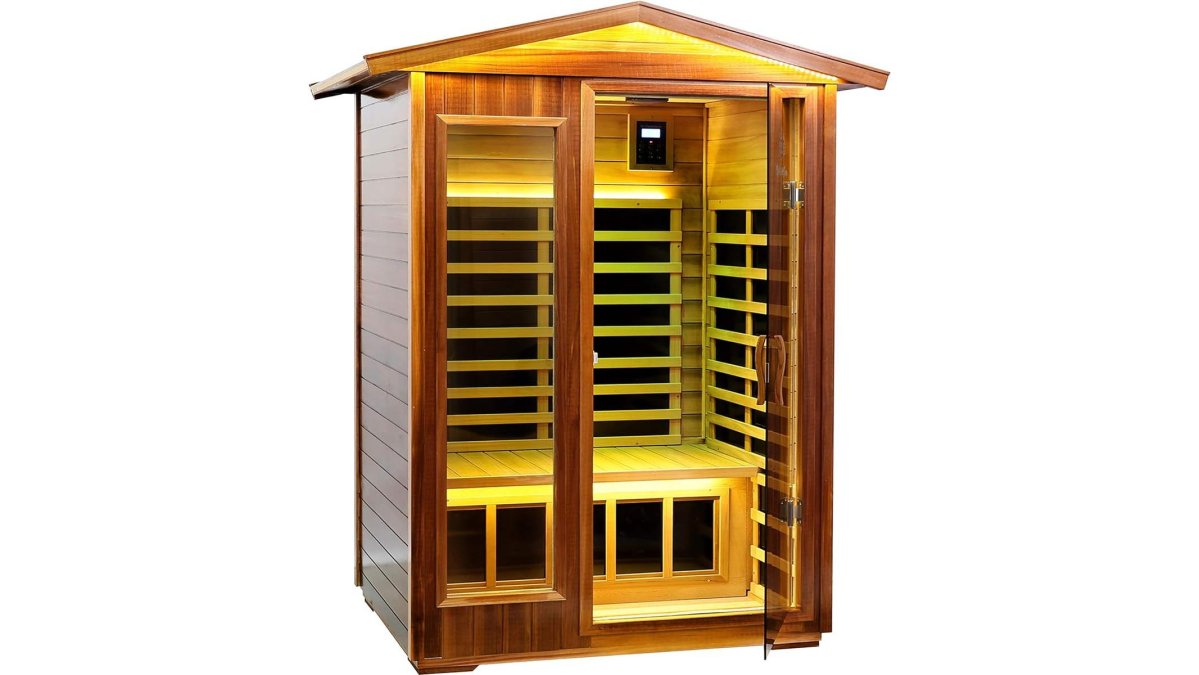
Infrared saunas take a different approach, using far-infrared wavelengths to penetrate tissue directly rather than heating air. The Sauna (Premium Indoor/Outdoor Infrared) offers unmatched flexibility, it installs indoors or outdoors with full-spectrum infrared (near, mid, far wavelengths) reaching 170°F. At $11,040, it delivers therapeutic benefits. The indoor/outdoor versatility appeals to homeowners without dedicated outdoor space.
For budget-conscious buyers, the Eldvik 2-Person Outdoor Infrared Sauna delivers far-infrared performance in Canadian Red Cedar at $5,999. It's half the price of The Sauna and includes integrated LED lighting and digital controls. The tradeoff: lower maximum temperature (170°F vs. higher traditional models) and smaller capacity. It's ideal for couples or solo users who prioritize cost over group sessions.
RevX Acrylic X Tub Cold Plunge + LUX →
The Auris One Luxury Outdoor Cedar Sauna bridges traditional and modern. Built from natural red cedar with both electric and wood-burning heating options, it's a 1-2 person sanctuary priced at $18,499. The wood-burning capability appeals to purists, and the included wooden bucket kit provides the full traditional experience.
Sauna and Cold Plunge Combo Benefits for Recovery
The real power of contrast therapy systems emerges when you pair a sauna with a cold plunge. The heat-cold cycle triggers a cascade of physiological adaptations. Sauna exposure causes vasodilation, blood vessels expand to dissipate heat. Jumping into a cold plunge triggers immediate vasoconstriction, vessels tighten. This vascular gymnastics, repeated over multiple cycles, trains the cardiovascular system and accelerates metabolic recovery.
Contrast Therapy Protocol for Recovery: Timing and Temperature
The ideal contrast therapy protocol balances thermal stimulus intensity with safety. Temperature range matters. A sauna reaching 180°F paired with a cold plunge at 50°F creates a 130-degree differential, significant enough to trigger strong vasodilation/vasoconstriction cycling. If your sauna maxes at 160°F or your cold plunge stays at 55°F, the differential shrinks and physiological response weakens.
How Long to Stay in Sauna vs Cold Plunge for Optimal Results
Sauna duration depends on temperature and individual adaptation. At 180°F, most people reach thermal equilibrium within 3-5 minutes. Staying longer provides minimal additional benefit and increases dehydration risk. At lower temperatures (160°F), you can extend to 5-8 minutes without excessive stress.
American Heart Association guidance on sauna and cardiovascular health
Research on contrast therapy and athletic recovery
Building code requirements for residential sauna installation
Frequently Asked Questions
What are the main benefits of a sauna and cold plunge combo?
Alternating between sauna heat and cold plunge immersion triggers vasodilation and vasoconstriction, which enhances circulation, reduces inflammation, and accelerates muscle recovery. The thermal shock stimulates your cardiovascular system and activates your parasympathetic nervous system during the cold phase, supporting stress reduction and immune response. Athletes and busy professionals report faster recovery from workouts and reduced muscle soreness when following a consistent contrast therapy protocol.
How long should I stay in a sauna versus a cold plunge?
Start with 10-15 minutes in the sauna at 160-180°F to warm your core and open blood vessels. Then transition to 2-3 minutes in cold water (45-55°F) to trigger the cold shock response. Repeat this cycle 2-3 times, always ending with cold exposure. Beginners should keep cold plunge time shorter and gradually extend duration as your body adapts.
What electrical and plumbing requirements do contrast therapy systems need?
Most cold plunges require either 110V (standard outlet) or 240V (dedicated circuit) depending on the chiller capacity. Traditional saunas typically need 240V, while infrared saunas vary. Plumbing needs depend on the system: some use ozone sanitation and only need a drain, while others require continuous water circulation. Before purchasing, verify your home's electrical panel capacity and consult an electrician if upgrading to 240V service.
How much does it cost to maintain a contrast therapy system long-term?
Annual maintenance typically runs $300-800, including filter replacements (every 1-3 months), water treatment chemicals or ozone generator cartridges, and occasional heater servicing. Cedar saunas may need wood treatment every 2-3 years. Chiller repairs or replacement can cost $1,500-3,000 if the compressor fails outside warranty. Budget for higher electricity costs (roughly $50-150 monthly depending on usage frequency and local rates) when calculating total ownership expense.
Are home contrast therapy systems really worth the investment?
For affluent homeowners committed to daily recovery routines, contrast therapy systems can be a valuable investment. The investment also adds property value as a premium wellness amenity. However, systems only work if you use them consistently. If you're uncertain about commitment, start with a standalone cold plunge ($4,500-8,000) before adding a sauna to confirm the practice fits your lifestyle.